Installing an air conditioner is more than sliding a unit into the backyard and hooking up a thermostat. In Wood River, where summer humidity and sudden heat spikes are routine, a poor installation compounds stress, raises bills, and shortens equipment life. Homeowners and small business owners here pay the price in uneven cooling, frequent breakdowns, and expensive repairs. I want to show what goes wrong, why it matters, and how to prevent it — with concrete examples, numbers, and practical guidance you can act on today.
Why installation matters
A properly sized and installed system will run efficiently, keep humidity under control, and last 12 to 20 years depending on maintenance and model. A botched installation reduces efficiency by a measurable amount. Industry studies and field experience routinely show that a 20 to 30 percent loss of expected efficiency is common when ductwork, refrigerant charge, or airflow are wrong. That translates into higher monthly bills and more trips from the HVAC company.
In Wood River specifically, older homes with original ductwork, mixed insulation levels, and limited outdoor condenser placement options make correct installation more vital. I have seen houses here where a 3-ton condenser was paired with undersized ducts, or where crouched attic evaporator placements starved the system of airflow. Those systems struggled to maintain setpoints, ran continually, and sent homeowners to search for "AC Repair in Wood River IL" multiple times a season.
Common installation mistakes and their real costs
Here are the failures I see most often. Each one carries predictable consequences — from higher energy bills to premature compressor failure.
- Incorrect sizing: Too large or too small. A unit that is oversized cools the air quickly but does not dehumidify well. That leaves indoor air clammy, promotes mold growth, and forces frequent on-off cycling that shortens compressor life. An undersized unit runs constantly, cannot reach setpoint on hot days, and wears out faster. Practical sizing uses Manual J load calculations; a rule-of-thumb based on square footage is not sufficient. Improper refrigerant charge: Both undercharge and overcharge cause inefficiency and stress on components. Undercharged systems run hot and labor the compressor, while overcharged systems flood the compressor and reduce heat transfer. I once diagnosed a Wood River home where a 15 percent undercharge increased run times by about 25 percent and produced a monthly bill that was roughly 15 to 20 percent higher than expected. Poor airflow management: Rotated fan blades, closed dampers, kinked flex duct, or undersized returns lead to insufficient evaporator air velocity. Outcomes include frozen coils, reduced cooling capacity, and uneven temperatures room to room. In one small office installation I inspected, a 20 percent restriction in airflow caused the evaporator coil to ice in three days and created repeated callbacks. Bad duct sealing and insulation: Leaky ducts waste cooled air into unconditioned spaces, particularly attics and crawlspaces. A typical older home can lose 20 to 30 percent of conditioned air through leaky ducts, driving up run time and utility bills. Sealing and insulating ducts in attics can reduce load and improve comfort dramatically. Poor placement of the outdoor unit: Placing the condenser under trees or against a wall that blocks airflow reduces capacity and increases run time. Mounting or clearance issues also make routine service harder; cramped installations invite neglect.
Each mistake typically appears in combination. A mis-sized unit paired with leaky ducts and improper charge is a recipe for repeated "AC Repair in Wood River IL" calls and early replacement.
A short checklist to spot problematic installations
Use this short checklist to assess whether your system might be suffering installation-related issues. If several items are true, it is worth scheduling a professional evaluation.
Rooms that are consistently 4 to 8 degrees warmer than the thermostat zone on hot days. System cycles more than six to eight times per hour or runs non-stop on the hottest days. Visible ice on the indoor coil, or water pooling near the air handler. Outdoor unit in a tight, shaded, or debris-prone location with less than 2 feet clearance on multiple sides. Higher-than-expected energy bills despite regular filter changes.Why DIY and shortcuts fail
Homeowners often consider saving money by cutting corners: re-using old line sets, adding refrigerant by weight instead of measuring superheat and subcooling, or mounting the condenser on a lean patio slab. Those shortcuts look cheaper at the time but create cascading failures. I have removed line sets with microscopic kinks that silently restricted refrigerant flow, and found bubble-wrap duct repairs that trapped humidity and promoted mold. In Wood River, where many HVAC contractors work on thin margins, the temptation to reuse components is real. But a poor repair or installation often ends in a return visit and greater cost overall.
Trade-offs contractors make
Not all installers are negligent. Sometimes choices are intentional trade-offs driven by client budget, timelines, or building constraints. Good contractors will outline those trade-offs: they will explain why a modular, mini-split might be preferable to ripping out existing ducts, or why sealing and insulating ducts first can justify a smaller, more efficient condenser. Less scrupulous contractors will make decisions for speed rather than longevity.
When evaluating bids, watch for explicit trade-offs: does the quote include a Manual J load calculation? Are replacements for old parts listed or is the technician assuming reuse? Is a permit and code compliance included? A lower price that leaves the old evaporator coil, a leaking pan, or failing insulation in place is not a bargain; it is deferred cost.
Maintenance before and after install
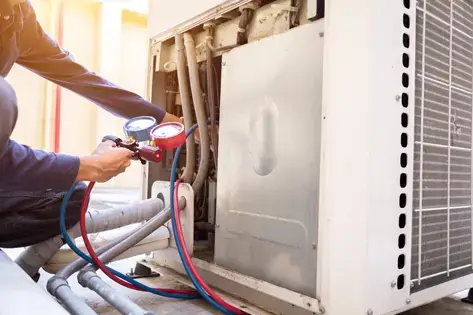
The work does not stop after the installer leaves. Routine maintenance is the lifeline of any cooling system. Annual inspections — ideally in spring — should include cleaning coils, checking refrigerant pressures against manufacturer specs, verifying airflow with static pressure readings, and inspecting condensate drains. Many premature failures are traceable to neglected condensate lines and clogged coils.
If you are replacing an old system, have the contractor inspect and, if needed, replace the air handler components and controls. Newer systems rely on matched components to achieve rated SEER numbers. Mixing an older evaporator coil with a new high-efficiency compressor will likely drop delivered efficiency and void warranty terms.
What to ask a contractor — practical questions that matter
When you interview installers, ask targeted questions that reveal technical care and professionalism. Avoid generic requests like "what is the cheapest" and instead focus on specifics:
- Will you perform a Manual J load calculation and provide the results? Are the equipment and line set matched per manufacturer recommendations, and will there be a matched-record in the contract? How will you verify refrigerant charge - temperature/pressure method, superheat/subcooling, or fixed weight? What duct sealing method will you use, and will you perform a post-seal leakage test? Is a permit included, and will the installation be inspected by local authorities?
Look for answers with detail. If a contractor hesitates or gives vague reassurances, that is a warning sign.
Warranty traps and what "labor warranty" really means
Equipment warranties generally cover parts for a given number of years, sometimes 10 to 12, while labor warranties cover workmanship for a shorter period. Many homeowners assume replacing a part under warranty is free. In practice, warranty work can become contentious if the root cause is an installation error. Manufacturers may deny coverage if a system shows signs of incorrect installation or mismatch. Keep documentation: load calculations, pre- and post-installation photos, and a copy of the invoice specifying parts and labor. Those records are valuable when "AC Repair in Wood River IL" escalates to warranty disputes.
When to call professionals versus scheduling simple repairs
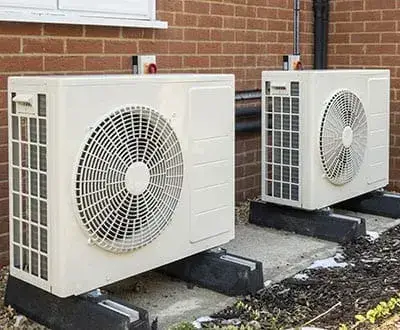
Some issues you can manage: changing filters monthly in heavy use, keeping the outdoor condenser free of debris, and trimming vegetation to maintain airflow. For refrigerant, electrical diagnosis, duct modifications, and load calculations, call a licensed professional. In Wood River, local contractors like B & W Heating & Cooling provide both routine maintenance and full-system replacements. Choosing a contractor that offers transparent diagnostics, clear documentation, and follow-through is worth paying a small premium for.
A real case: a Wood River duplex and the hidden cost of undersizing

A landlord in Wood River hired a contractor to replace two aging window units with a single central system. The installer used a rough square-foot rule and selected a 2.5-ton unit. The result was predictable: during July, tenants reported constant running, humidity levels remained high, and the compressor failed within three years. The initial cost saved about 20 percent on installation, while the lifetime cost — including two service calls, a part replacement, and tenant complaints — exceeded the initial saving by roughly 40 percent. After redoing the system correctly, with a Manual J and properly sized ducts, the property ran quieter, bills dropped approximately 18 percent, and the landlord avoided further tenant turnover.
Practical steps to avoid mistakes in Wood River
Start with research and documentation, then be surgical in action. Here are practical steps that have helped the most clients I have worked with:
- Verify contractor credentials and ask for references from other Wood River installations. Word-of-mouth matters because local climate and building types create repeatable installation patterns. Require a written load calculation and a spec sheet showing the matched equipment. This avoids surprises when the new equipment arrives or when warranty claims arise. Inspect or replace return air pathways. Many homes lack sufficient return; adding a return or a transfer grille costs much less than compensating with a larger, more expensive condenser. Ask for written details about post-install tests: static pressure measurements, refrigerant superheat/subcooling, and a final visual inspection of clearances and condensate routing. Plan maintenance in the contract, either as a seasonal agreement or at least two visits per year. Preventive care is cheaper than emergency repair.
When poor installation leads to frequent repairs
If you find yourself calling for "AC Repair in Wood River IL" repeatedly, gather documentation and request a thorough diagnostic from a reputable company. Persistent issues often reveal installation defects, not just component failures. A comprehensive report that lists defective installation points is useful when negotiating repairs, seeking warranty support, or pursuing code enforcement.
Final notes on balancing cost, speed, and quality
Every homeowner makes trade-offs. Fast installations with reused components save money up front but create the risk of higher operating costs and early replacement. Spending more on a correct installation and proper ductwork can lower monthly bills by 10 to 30 percent, depending on prior conditions, and extend equipment life significantly. My advice is to prioritize correct sizing, verified refrigerant charge, and good airflow. Those three elements deliver the best return on investment in the real world.
If you are in Wood River and have questions about whether your recent installation was done right, or if you are weighing replacements and upgrades, call a local contractor who will show the numbers and walk you through trade-offs. Companies like B & W Heating & Cooling are local, can provide references from neighbors, and typically offer both installation and maintenance plans that prevent https://www.google.com/search?kgmid=/g/1trcgzjl the worst outcomes I have described. A careful investment today avoids the frustration, expense, and downtime of repeated "AC Repair in Wood River IL" calls tomorrow.
B & W Heating & Cooling
3925 Blackburn Rd, Edwardsville, IL 62025
+1 (618) 254-0645
[email protected]
Website: https://www.bwheatcool.com/